The impact of gambling on mental health Understanding psychological effects
Understanding Gambling Addiction
Gambling addiction, also known as compulsive gambling, is a behavioral addiction characterized by an uncontrollable urge to gamble despite the negative consequences. This addiction can lead to significant distress and impairment in various aspects of an individual’s life, including relationships, finances, and mental well-being. People struggling with this issue often find it challenging to recognize their behavior as harmful, which complicates the process of seeking help. For those interested in the exciting world of gaming, nz online pokies real money offers an online alternative that may appeal to many players.
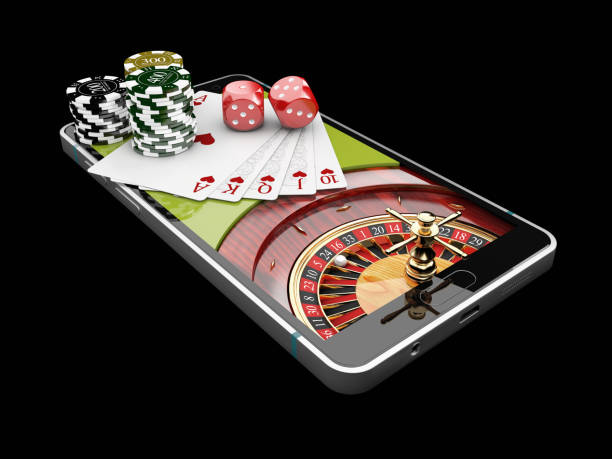
The psychological effects of gambling addiction are profound. Many individuals experience feelings of guilt, shame, and anxiety due to their gambling habits. This cycle of negative emotions often leads to more gambling as a form of escape, further entrenching the individual in addiction. Understanding the nature of this addiction is essential for developing effective strategies for treatment and recovery.
The Connection Between Gambling and Mental Health
The relationship between gambling and mental health is complex. Research indicates that individuals who gamble frequently are at a higher risk of developing mental health disorders such as depression and anxiety. The thrill of gambling can initially provide a temporary escape from life’s stresses, but the long-term consequences can lead to increased feelings of hopelessness and despair.
Impact on Relationships and Social Life
The impact of gambling addiction extends beyond the individual, significantly affecting relationships with family and friends. Those struggling with gambling often lie about their habits, leading to a breakdown of trust. Loved ones may feel betrayed or hurt, which can create a rift in relationships. As the addiction progresses, individuals may find themselves isolated from supportive social networks, further compounding their mental health struggles.
Signs of Mental Health Decline Due to Gambling
Recognizing the signs of mental health decline due to gambling is vital for early intervention. Common indicators include mood swings, increased irritability, and changes in sleep patterns. Individuals may also show signs of withdrawal from social activities they once enjoyed or exhibit a preoccupation with gambling, often discussing it excessively.

Online Gambling and Mental Health Resources
In today’s digital age, online gambling platforms have become increasingly popular. While these platforms can provide entertainment, they also pose unique challenges for mental health. Easy access to online gambling can amplify the risks of addiction and mental health decline. Awareness of these risks is essential for anyone engaging in online gambling.